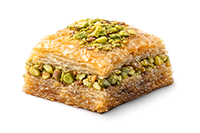

Walnut Baklava: Flavor Profile and Markets
“Walnut baklava” isn’t automatically “lower grade.” When made well, it delivers a deeper roasted nut character, pairs beautifully with tea and coffee, and offers strong value performance for mixed assortments. The key is controlling walnut bitterness and oxidation over time.
Key takeaways
- Flavor: walnut baklava is toastier, warmer, and can feel less sugary when balanced well—ideal with tea/coffee.
- Market role: often wins as a value-premium item in assortments, especially when pistachio costs rise.
- Quality risk: walnuts oxidize faster than many buyers expect—stale notes can appear if lots and storage are weak.
- Grading must include a hold test: score fresh and again after 7–10 days to catch oxidation and texture drift.
- Packaging matters: walnut aroma fades if exposed to oxygen/heat; strong inner sealing and cool storage preserve quality.
On this page
- Walnut baklava flavor profile (what customers notice)
- How to position walnut baklava in your assortment
- Markets and channels where walnut baklava performs
- How importers grade walnut baklava (premium cues + defects)
- Shelf-life stability: oxidation, bitterness, and aroma fade
- Packaging and storage: protecting walnut aroma in export
- Copy-paste RFQ spec template
- FAQ
Walnut baklava flavor profile (what customers notice)
The biggest misconception is that walnut baklava is simply “a cheaper pistachio baklava.” It’s a different flavor identity: walnut leans into a roasted, caramel-like warmth. Done well, it feels elegant and comforting; done poorly, it can taste bitter or stale.
Signature notes (premium walnut baklava)
- Toasty, warm nut aroma: roasted walnut character that reads “deep” rather than “bright.”
- Balanced sweetness: syrup supports walnut rather than masking it.
- Clean butter aroma: a warm bakery note that rounds the nut profile.
- Soft-firm crunch: crisp layers that give way without turning soggy or hard.
- Long finish: pleasant nut finish; minimal bitterness.
What customers dislike (common negative cues)
- Bitterness/tannins: walnut bitterness overwhelms the finish.
- Stale/oxidized aroma: flat or “old oil” notes (often described as paint-like or cardboard).
- Overly sweet syrup: makes walnut taste muddy and heavy.
- Greasy mouthfeel: oil migration creates heaviness and aroma loss.
Simple buyer insight
Pistachio sells with “bright aroma.” Walnut sells with “warm comfort.” That means walnut performs best when you market it as roasted, tea-friendly, and classic—not as a substitute.
How to position walnut baklava in your assortment
Walnut baklava can be a hero product or a smart supporting item—depending on your channel and price tier. Here are three positions importers use successfully:
1) “Classic & tea-friendly” (heritage positioning)
Use walnut baklava as the “classic” profile: toasted, comforting, and balanced. This works especially well with tea service, cafes, and gift boxes where customers want variety.
2) “Value-premium” (cost control without looking cheap)
When pistachio costs rise, importers often protect margin by increasing walnut share in assortments—without reducing perceived quality. The key is choosing a walnut baklava that still has clean aroma and good texture.
3) “Flavor contrast” in mixed assortments
Walnut provides contrast to pistachio’s green brightness. In a mixed tray, that contrast increases perceived variety. It also improves repeat purchases because customers aren’t eating “the same note” repeatedly.
Markets and channels where walnut baklava performs
Walnut baklava is not “second choice” everywhere. In many places, customers actively prefer it—especially where roasted flavors dominate dessert culture. Performance is strongest where baklava is eaten with tea, coffee, or after savory meals.
Best-fit channels
- Cafes & tea houses: walnut’s warm note pairs naturally with tea and dark coffee.
- Hospitality (hotels/catering): stable crowd-pleaser in dessert buffets and banquet service.
- Retail assortments: strong role as a “classic” piece that balances pistachio items.
- Corporate gifting: walnut helps control cost while keeping a premium look in mixed trays.
- Private label value-premium: allows strong pricing architecture (good/better/best).
Practical assortment tip: Many importers start with a 70/30 split (pistachio/walnut) in mixed trays, then adjust based on sell-through and margin targets.
How importers grade walnut baklava (premium cues + defects)
Walnut grading is more sensitive than pistachio grading because bitterness and oxidation become obvious quickly. Importers grade walnut baklava using both day-one sensory checks and a hold test.
Premium walnut baklava cues
- Nut aroma is alive: roasted walnut smell is clear, not flat.
- Bitterness is controlled: the finish is warm and nutty, not harsh.
- Syrup is supportive: absorbed and glossy; sweetness doesn’t drown walnut character.
- Butter aroma is clean: no waxy/heavy fat finish.
- Texture is stable: crisp layers remain distinct; no sogginess or gumminess.
Common defects (and what they typically signal)
- Stale/oxidized notes: walnut lot issues, old stock, or oxygen exposure during storage.
- Harsh bitterness: walnut grade selection, roast/processing mismatch, or too little syrup balance for the nut type.
- Heavy sweetness: syrup too dominant, masking walnut and increasing “cloying” complaints.
- Greasy feel / oily box: oil migration, heat exposure, weak liners, or fat imbalance.
- Crumbs and broken corners: packaging strength and tray support issues.
Importer “hold test” for walnut oxidation
- Score aroma and finish on arrival (day 1).
- Store sealed for 7–10 days at typical warehouse conditions.
- Re-score aroma and bitterness. If “stale” notes appear fast, downgrade the lot or require improved packaging/lot control.
Shelf-life stability: oxidation, bitterness, and aroma fade
With walnut baklava, time changes the story. Even when texture remains acceptable, aroma can fade if walnuts are not fresh or if packaging allows oxygen exchange.
Why walnut quality drifts during export
- Oxidation sensitivity: walnut oils can oxidize and create stale notes.
- Heat accelerates aroma loss: higher temperatures speed up quality decline and oil migration.
- Fine walnut particles oxidize faster: more surface area = faster aroma fade.
- Bitterness becomes more noticeable: as aroma drops, the remaining tannic notes feel stronger.
Buyer rule: If the walnut finish is already slightly bitter on day 1, it may become clearly bitter after transit. Grade strictly.
Packaging and storage: protecting walnut aroma in export
Walnut baklava benefits from the same structural protection as pistachio baklava—but with extra attention to aroma preservation. The goal is to reduce oxygen exposure, prevent oil migration, and avoid humidity swings that soften layers.
Packaging priorities for walnut baklava
- Inner seal integrity: stable sealing helps preserve walnut aroma and prevents humidity exchange.
- Oil migration control: fat-resistant liners keep cartons clean and reduce aroma loss.
- Crush prevention: rigid trays and proper carton fit reduce crumbling and corner damage.
- Temperature discipline: keep product away from heat sources during storage and last-mile delivery.
Fast check on arrival
- Smell the box: a clean nut/butter aroma is a good sign; stale odor suggests oxidation.
- Check liners: oily stains indicate migration and potential aroma loss.
- Look for syrup marks: seepage often predicts texture decline.
Copy-paste RFQ spec template (walnut baklava)
Use this to request comparable quotes and set clear expectations.
RFQ template
- Product: Walnut baklava (cevizli baklava), specify shape (square/diamond) and tray size
- Quality targets: crisp layers, clean butter aroma, fresh roasted walnut aroma, low bitterness, no stale notes
- Syrup target: absorbed, no pooling, balanced sweetness (not cloying)
- Portion specs: net weight per tray, piece count, acceptable weight tolerance
- Export performance: minimal breakage, minimal syrup seepage, oil migration control
- Packaging: rigid tray + sealed inner barrier + strong export carton; request packaging layer photos
- Labeling: ingredients, allergens (nuts/dairy/gluten), batch/lot code, production date, best-before
- Testing: importer hold test 7–10 days for oxidation/bitterness drift
FAQ
Is walnut baklava always cheaper than pistachio?
It’s often more cost-friendly, but premium walnut baklava still requires good nut lots, clean butter aroma, and strong packaging. It can be positioned as “classic” rather than “budget.”
What’s the #1 reason walnut baklava gets complaints?
Oxidation and bitterness. Customers describe it as “old,” “stale,” or “bitter.” Lot discipline, storage temperature, and inner sealing are the biggest controls.
How should I use walnut baklava in a mixed tray?
Use it as the warm counterpoint to pistachio. Keep the presentation neat and cuts consistent. If your market is price-sensitive, walnut can carry a bigger share while maintaining premium perception—if aroma stays clean.
How do I compare two walnut baklava suppliers quickly?
Smell and finish are the fastest signals. If one has even slight stale notes on day 1, it’s likely to worsen after transit. Always run a 7–10 day hold test before scaling purchase orders.
Continue the Academy series
Tell us your destination country and channel (retail/hospitality). We’ll recommend the best walnut-to-pistachio mix and packaging strategy for your route.