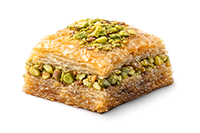

Assortment box = product strategy + logistics strategy
Mixed boxes fail for predictable reasons: too many fragile items, unclear specs, inconsistent piece weights, messy allergen labeling, and packaging that lets pieces move and crack in transit. A winning box is designed backwards from who buys it and how it ships.
Key takeaways
- Start with a “hero”: one or two best-sellers should carry the box.
- Balance tastes + textures: crunchy, rich, and lighter options in one mix.
- Keep complexity under control: 4–8 varieties is usually the export sweet spot.
- Lock the spec: piece counts, weights, layout, and photos per SKU.
- Design for transport: rigid trays + dividers + barrier seal reduce breakage and sogginess.
On this page
- Step 1: Define the job-to-be-done
- Step 2: Build a smart mix (hero + support + accents)
- Step 3: Set piece counts & weights (so margins hold)
- Step 4: Tray layout rules (prevents breakage)
- Step 5: Export-proof it (moisture, movement, shelf life)
- Step 6: Labeling & allergens (assortment-ready)
- Copy-paste assortment RFQ
- FAQ
Step 1: Define the job-to-be-done
Assortments sell when they match a buying moment. Pick one primary goal:
- Gift box: visual impact + premium cues + consistent presentation.
- Retail bestseller: high-repeat items, predictable costs, easy restocking.
- Hospitality / catering: uniform bite size, easy plating, fewer crumbs.
- Trial / discovery: smaller pieces, broader variety, clear guide card inside.
If you try to do all four in one SKU, you usually end up with a box that ships poorly and confuses customers.
Step 2: Build a smart mix (hero + support + accents)
A simple formula that works in most markets:
Recommended ratio
- 40–60% hero items (top sellers)
- 20–40% support items (secondary best sellers)
- 10–20% accent items (premium or seasonal)
Variety isn’t only “different shapes.” You want variety in:
- Nut profile: pistachio-forward + optional walnut option (market dependent).
- Texture: crisp layered cuts + a slightly softer, denser piece (not soggy).
- Sweetness: avoid stacking only the sweetest styles together.
- Visual: green pistachio + golden phyllo + a darker nut tone.
Step 3: Set piece counts & weights (so margins hold)
Most assortment problems show up as “mystery shrink”: weights drift, piece size changes, margins evaporate. Solve it by specifying piece count + target weight + tolerance.
What to lock in the spec
- Total net weight: e.g., 500 g / 750 g / 1,000 g
- Pieces per box: e.g., 18 / 24 / 30
- Per-piece target: e.g., 25–30 g range
- Variety breakdown: exact piece counts per variety
- Weight tolerance: define acceptable variance per box
If you want a premium look, avoid mixing dramatically different sizes in the same tray unless you use dividers.
Step 4: Tray layout rules (prevents breakage)
A winning box looks great when opened and arrives intact. Layout rules that help:
- Put sturdy pieces on corners: corners take the most impact during shipping.
- Keep fragile “tall” pieces away from the lid: prevent compression marks.
- Group by shape/height: reduces shifting and cracking.
- Use dividers for mixed shapes: especially if syrup/oil migration is a concern.
Step 5: Export-proof it (moisture, movement, shelf life)
Assortments are more fragile than single-SKU trays because pieces differ in structure and moisture behavior. Protect the box with three controls:
Export controls that matter
- Moisture barrier: prevent humidity pickup that kills crunch.
- Movement control: rigid tray, tight fit, minimal headspace.
- Shelf-life alignment: avoid mixing a short-life item with long-life items.
Related: Avoiding Sogginess: Moisture Control Tips and Crunch Preservation: Barrier Films & Trays.
Step 6: Labeling & allergens (assortment-ready)
Assortments increase labeling complexity. Do these to avoid compliance headaches:
- One master ingredient statement that covers all pieces in the box.
- Clear allergen callout: nuts, dairy, gluten (and any cross-contact statements required).
- Variety list on pack: names + counts (or a simple “guide card” insert).
- Lot code + production date printed clearly for traceability.
Copy-paste assortment RFQ
RFQ template
- Assortment goal: Gift / Retail / Hospitality / Discovery
- Net weight: ________ g
- Total pieces: ________
- Varieties (4–8): list names + exact piece counts per variety
- Hero items: target 40–60% of pieces
- Piece weight target: ________ g (with tolerance)
- Tray layout: fixed layout + reference photo required
- Packaging: rigid tray + dividers as needed + barrier seal
- Documentation: ingredient/allergen statement + lot codes + production date + COA where available
- Shelf-life target: ________ days; validate vs shipping route (air/sea)
- Destination market: ________ (labeling language/requirements)
FAQ
How many varieties should an assortment include?
Typically 4–8. Fewer can feel repetitive; more can create breakage risk, weight drift, and labeling complexity.
How do I choose the hero items?
Start with what your customers already buy (or what sells best in comparable markets): usually a pistachio-forward classic plus a second crowd-pleaser. Use accents for premium differentiation—not to carry the volume.
What’s the #1 export mistake with assortments?
Mixing items with different structural fragility and moisture behavior without dividers and a tight tray fit. Movement + humidity destroys both presentation and crunch.