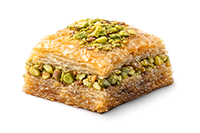

Vegan Baklava: Plant Butter and Taste Balance
Baklava Academy • Article 36 • Updated guide for importers, retailers, and hospitality brands.
Key takeaways
- Fat choice is the whole game: it controls aroma, mouthfeel, and whether layers stay crisp.
- “Butter flavor” is not required for premium—clean pistachio aroma + balanced syrup often wins in blind tasting.
- Export adds stress: temperature swings and vibration can trigger oil migration, sogginess, and loss of crunch.
1) What “butter” contributes—and what you must replace
Butter baklava is loved for three things: aroma (rich dairy notes), crisp separation between layers, and a clean melt (no waxy finish). Vegan versions succeed when plant fats mimic the performance of butter, even if the aroma is slightly different.
2) Plant butter options (what works, what can go wrong)
- Plant “butter-style” fats (blends)
Usually best for premium texture. Watch for waxy mouthfeel, strong flavor, or unstable melt in warm transit. - Neutral refined oils (e.g., sunflower/canola blends)
Clean flavor, but can reduce crisp separation unless the process is tuned (layering + bake profile + syrup control). - Coconut-based fats
Great structure but can introduce coconut notes; also can feel heavy if overused.
Export tip: ask the supplier how the fat behaves at 30–35°C (warehouse/last-mile heat). If it softens too much, oil migration increases.
3) Taste balance: let pistachio lead, keep syrup disciplined
- Go lighter on syrup for vegan SKUs if you want crunch to last in shipping.
- Focus on pistachio grade and roast profile—this is where premium perception comes from.
- Avoid “perfume” flavors that try to imitate butter too aggressively; it can taste artificial.
4) Export risks specific to vegan baklava
- Oil migration: soft fats can seep into pastry, darken layers, and feel greasy.
- Crunch loss: humidity + syrup migration soften the top layers first.
- Aroma fade: plant fat aromas can be more volatile; strong barrier packaging helps.
5) Labeling & documentation (don’t create compliance risk)
- Confirm whether the product is vegan (no dairy, no honey, no animal-derived additives).
- Confirm cross-contact statements (e.g., “may contain milk”) depending on facility reality.
- Request a full ingredient list, allergen statement, and batch/lot coding for traceability.
Checklist
- Confirm ingredients and allergen statement (nuts, gluten; and whether any milk/honey cross-contact applies).
- Ask what plant fat is used and how it handles warm transit (oil migration risk).
- Specify target shelf life and test with your shipping route (air/sea) and last-mile conditions.
- Choose packaging that protects from crushing and humidity; add barriers to reduce aroma fade.
Related reads: Syrup Science • Export Packaging • Country-Specific Requirements