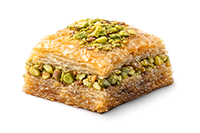

How to Store Baklava in Retail Displays
Baklava Academy • Article 49 • Updated guide for importers, retailers, and hospitality brands.
Why retail displays ruin baklava (and how to stop it)
Baklava doesn’t “go bad” in retail because it’s fragile—it's because display conditions change every hour. Door openings pull in humid air. Spotlights add heat. Warm/cool swings push moisture into the layers and soften the crunch. On the other side, overly dry airflow can dehydrate the top layers and dull the aroma. This guide gives you a simple rule: stability beats extremes. Keep the environment stable, minimize exposure, and rotate with discipline.
Table of contents
- Key takeaways
- The 7 golden rules of retail storage
- Display environment: temperature, humidity, placement
- Open display vs sealed packs: which is best?
- Daily SOP: open/close routine, rotation, cleaning
- Receiving and backroom storage (before display)
- Merchandising tips: freshness cues customers trust
- Troubleshooting texture & appearance defects
- FAQ
Key takeaways
- Humidity is the #1 enemy of crunch. If baklava gets soft, assume moisture exposure first.
- Stable conditions beat “cold.” Frequent cooling/condensation cycles can harm texture.
- Open displays require fast turnover. If turnover is slow, use sealed retail packs or covered trays.
- FIFO rotation is non-negotiable. Date-code, pull daily, and keep newer stock behind older stock.
- Handle less, sell more. Minimize door-open time; don’t “air out” baklava.
- Presentation is quality. Broken pieces, oily stains, or dull pistachio color lowers perceived value immediately.
The 7 golden rules of retail storage
- Protect from humidity first. Seals, covers, and short exposure times matter more than “cold.”
- Avoid heat sources. Sunlight, spotlights, warm vents, and hot equipment create oil migration and softening.
- Keep the case closed. Every extra minute open equals moisture exchange.
- Rotate with discipline (FIFO). Your oldest stock should sell first—every day.
- Display less, refill more. Smaller front display + back stock in stable storage keeps quality higher.
- Separate strong aromas. Baklava can pick up odors—keep it away from spicy, savory, or perfumed products.
- Document issues. If a format softens in your climate, adjust packaging or shift to sealed retail packs.
Display environment: temperature, humidity, placement
Retail is not a lab—your goal is stability. Big swings are worse than a slightly imperfect set point. Use a small thermometer and hygrometer to understand your case. Once you can measure, you can improve.
Placement rules (fast wins)
- Keep away from direct sunlight and storefront windows.
- Avoid warm air vents and areas near ovens, coffee machines, and grills.
- Limit spotlight intensity (heat) or move lighting farther from product.
- Don’t place next to strong-smelling items (spices, cheese, deli, perfumes).
Temperature & humidity targets (practical approach)
Targets vary by case type and local climate. The main objective: avoid warm/humid spikes and avoid condensation cycles.
- Best practice: stable cool room conditions for classic baklava formats.
- Humidity management: keep doors closed, use covered trays or sealed packs if your store is humid.
- Condensation warning: if you see condensation on glass or packaging, your texture risk is high.
Related Academy reads: Freshness & Storage • Avoiding Sogginess
Open display vs sealed packs: which is best?
The right answer depends on turnover speed, climate, and your brand promise. Open displays win on theater and impulse sales; sealed packs win on stability and consistency.
Choose OPEN display when:
- Your turnover is fast (you sell through trays quickly).
- Your environment is stable and not overly humid.
- You have disciplined staff routines (case closed, clean tools, limited handling).
Choose SEALED packs (or covered trays) when:
- Humidity is high or unpredictable (coastal climates, rainy seasons, busy stores with constant door openings).
- You need longer holding times and consistent texture.
- You want scalable retail operations with fewer staff-dependent variables.
Related: Crunch Preservation: Barrier Films & Trays • Export Packaging
Daily SOP: open/close routine, rotation, cleaning
A simple daily routine reduces waste and customer complaints dramatically. The goal is to reduce exposure time, keep presentation premium, and rotate correctly.
Opening checklist (10 minutes)
- Check the case: confirm it is clean, dry, and odor-free.
- Measure and record: quick read of temperature/humidity (even a note on paper helps).
- Set the front display small: display less; refill more often.
- Assign clean tools: tongs/gloves; no bare-hand contact.
- Confirm FIFO layout: older stock in front, newer stock behind.
During service (hourly habits)
- Keep the case closed. Open only when serving or restocking.
- Don’t “air out” trays. Air = humidity exchange.
- Spot-check presentation: remove broken pieces and crumbs; keep trays tidy.
- Refill in small batches: protects the majority of stock in back storage.
Closing checklist
- Consolidate gently: avoid compressing pieces (compression forces oils outward).
- Cover or seal: open trays should be covered; sealed packs stay sealed.
- Date-code: update labels for FIFO and daily pull list.
- Clean the case (remove syrup smears and crumbs; these attract odor and degrade presentation).
Receiving and backroom storage (before display)
Your retail display is only as good as your backroom storage. Most stores lose crispness before product even reaches the front, simply by leaving cartons open or storing near heat and humidity.
Backroom rules
- Keep cartons closed until needed.
- Store in a stable environment away from humidity and temperature swings.
- Separate from strong aromas (spices, cleaning chemicals, perfumes).
- Record lot codes for traceability and quality feedback.
Related: Quality Assurance • Shelf-Life Testing
Merchandising tips: freshness cues customers trust
Customers buy with their eyes first. Small presentation upgrades can lift perceived quality without changing the product.
Visual “premium cues”
- Clean tray edges (no syrup smears, no oil stains).
- Clear labeling: item name, allergens, and storage guidance builds trust.
- Color protection: pistachio “green” looks premium—avoid heat/light exposure that dulls it.
- Neat alignment: tidy rows sell faster and reduce breakage.
Customer-facing label essentials
- Allergens: nuts, dairy, gluten (and cross-contact warning where relevant).
- Storage instruction: simple and realistic (stable cool place; keep sealed/covered).
- Best-before guidance aligned to your actual rotation plan.
Related: Allergens and Labeling • Pistachio Storage
Troubleshooting: softness, dryness, oil migration, color fade
When retail quality drops, don’t guess—use a simple diagnosis model: humidity → temperature swings → handling/compression → time.
Problem: Baklava is soft / lost crunch
Likely causes
- Humidity exposure from frequent door openings or open trays
- Weak sealing or barrier packaging
- Condensation cycles (cooling + warm air)
Fast fixes
- Switch to sealed packs or covered trays for slower-moving SKUs
- Reduce open-case time; restock smaller amounts more often
- Move display away from humid zones and warm equipment
Problem: Top layers are dry / dull
Likely causes
- Overly dry airflow, open trays left exposed too long
- Strong air movement in the case
Fast fixes
- Cover trays when not actively serving
- Reduce airflow exposure; seal packs for longer hold times
- Display less; refill more frequently
Problem: Oily stains on trays/boxes
Likely causes
- Heat exposure increases oil migration
- Compression (stacking, heavy items on cartons)
- Packaging not designed as a barrier system
Fast fixes
- Move away from heat sources and direct light
- Improve stacking discipline; avoid overloading
- Use stronger tray + barrier packaging for premium SKUs
Problem: Pistachio color looks less green
Likely causes
- Light/heat exposure dulls visual color cues over time
- Long display hold times without rotation
Fast fixes
- Reduce spotlight heat and sun exposure
- Rotate faster; display smaller quantities
- Use sealed packs for color-sensitive products
Problem: Pieces break during service
Likely causes
- Rough handling tools; lifting from weak edges
- Overcrowded trays or unstable stacking
- Compression damage from backroom handling
Fast fixes
- Use proper tongs and lift from the base
- Keep trays tidy; don’t overcrowd
- Reinforce carton and handling SOP in backroom
FAQ
Should baklava be refrigerated in retail displays?
Most classic baklava formats can be sold successfully without refrigeration if the environment is stable and humidity is controlled. Refrigeration can introduce condensation during frequent door openings; condensation is a texture risk. For cream-filled formats or strict local requirements, controlled cold display may be appropriate.
How long can baklava stay in an open display?
Open displays work best with fast turnover. If your store is humid or traffic is high (many door openings), use covered trays or sealed packs for slower-moving SKUs.
What’s the simplest way to reduce waste?
Display less, refill more often, and run strict FIFO rotation. The majority of your quality preservation happens by keeping back stock sealed and stable.
Need a retail-ready export plan?
Tell us your country, store format (pastry counter / grocery / gift), and expected turnover. TBC A.S. can recommend the right product formats, packaging system, and logistics route to keep your baklava crisp and premium on the shelf.